
Powered By



 Continue with Facebook
Continue with Email
Continue with Facebook
Continue with Email
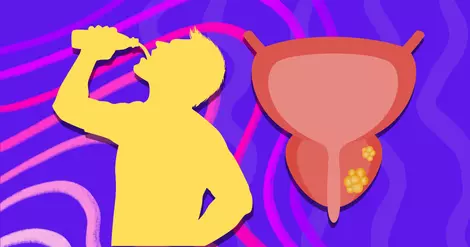
Erectile dysfunction (ED) is one of the most common and sensitive topics for people living with prostate cancer. Whether it appears before diagnosis or as a result of treatment, ED can affect relationships, overall health, and emotional well-being. Here are nine important facts to know about why ED happens with prostate cancer and what can be done to help.
Having ED means being unable to get, or keep, an erection firm enough for sexual intercourse. It may happen occasionally or become a long-term issue. ED becomes more common with age, but it can develop at any point in adulthood. Prostate cancer itself can sometimes contribute to ED, but most ED is related to treatment.
ED happens when something disrupts either the physical or chemical processes that lead to an erection. A disturbance to blood vessels, nerves, hormones, or brain signals can make it more difficult to have an erection.
Common ED symptoms include:
Before prostate cancer treatment even begins, some people with prostate cancer already experience ED for several reasons. These other risk factors include, but aren’t limited to:
Adding on cancer treatment to this may worsen an already existing issue or create a new challenge.
Although prostate cancer typically develops slowly and may not cause symptoms early on, it can sometimes affect the structures that help with erections, leading to ED. The prostate sits below the bladder and close to the nerves and blood vessels that support sexual function. If the cancer grows beyond the prostate or causes inflammation in surrounding areas, it may interfere with these pathways.
Even before treatment begins, some people with prostate cancer notice:
However, most ED related to prostate cancer happens because of treatment, not the cancer itself.
The most common surgery for localized prostate cancer (prostate cancer that hasn’t spread) is called a radical prostatectomy. No matter how it’s done — robotic, laparoscopic, or open — it removes the entire prostate gland. While effective, it’s the treatment most commonly linked to ED.
Why can a radical prostatectomy cause erectile dysfunction? Tiny nerve bundles on each side of the prostate help control erections. During surgery, these bundles can be injured or removed. Even with nerve-sparing surgery, which aims to avoid these nerves, they can still be damaged or may need to be removed if the cancer is close by. The blood vessels that support erections may also be affected during surgery.
Many people experience ED right after surgery due to trauma and inflammation around the nerves and blood vessels. Recovery can take months or even years, depending on age, nerve injury, and overall health. Some regain erectile function gradually, while others continue to have long-term ED.
Even when the nerves are spared, surgery can still irritate or temporarily damage them, so they may not work normally for a while. The process of nerve healing, called nerve regeneration, can be slow.
Another therapy for prostate cancer, radiation therapy or radiotherapy, can cause damage that leads to ED gradually. Examples of radiation therapy include external beam radiation and brachytherapy. These may damage important structures, like nerves and blood vessels, that support erections. Unlike surgery, which has immediate effects on erectile function, radiation-related ED may develop slowly.
What should you expect with radiation therapy?
Some people see improvement in ED after two to three years, but many don’t. Hormone therapy is sometimes combined with radiation, which increases the likelihood of temporary or long-term ED.
Prostate cancer often grows faster when there is more testosterone, a sex hormone, in the body. Hormone therapy, also called androgen deprivation therapy, reduces testosterone to very low levels, slowing or slowing the cancer’s growth and sometimes shrinking it. But testosterone is also important for sexual desire and erections.
If you’re on hormone therapy, you may experience:
Some people notice improvement in these symptoms once they’ve stopped hormone therapy, but recovery may take time. Not everyone regains their previous levels of sexual function.
ED can become an emotional problem, not only a physical problem. If you’re living with ED, you may feel:
Erectile dysfunction may also affect your partner, who may experience emotional stress and uncertainty. Open communication can help both people feel supported and understood. Many couples benefit from speaking with a counselor, therapist, or sexual health specialist about how prostate cancer has affected their sexual wellness.
Pills are often the first treatment option for ED, and they work well for many people. Medications such as sildenafil, tadalafil, and vardenafil help increase blood flow to the penis. These are often the first treatment recommended for anyone with ED, regardless of prostate cancer history.
These medications work best when some nerve function is still intact, blood flow is adequate, and the person taking them is sexually stimulated. About 75 percent of people who have undergone a nerve-sparing prostatectomy say these medications help them have erections.
Keep in mind that these medications don’t work for everyone, especially if there is significant nerve damage. These drugs may also take some time to work, so your urology or oncology doctor may encourage regular use early after your prostatectomy. These medicines must not be used with nitrates (often prescribed for chest pain) because they can cause a dangerous drop in blood pressure. If you know you have a heart condition, always talk with your doctor before trying these medications.
It’s common to need more than just medications to help with ED post-prostate cancer treatment. Fortunately, several effective treatments can restore sexual function over time.
A vacuum erection device (VED) is a plastic cylinder placed over the penis that creates a vacuum that draws blood into the penile tissue. A tension ring helps maintain the erection. VEDs may be very useful early after surgery. This device has an 80 percent success rate after prostate cancer surgery.
Medications injected directly into the penis can cause increased blood flow and thus a firm erection. Often, these work within minutes, even when nerve damage limits your responsiveness to oral drugs.
A tiny medicated pellet placed inside the urethra can help increase blood flow. It can work even without sexual stimulation for some people.
For those who don’t respond to other treatments, a surgically placed implant (inflatable or semi-rigid) can help give reliable erections. Satisfaction rates for people who get the implant and their partners are generally very high.
Strengthening pelvic muscles may improve blood flow and help with erections, especially after prostate surgery. Pelvic floor physical therapists may recommend exercises to do at home, like Kegel exercises (tightening and relaxing the pelvic floor muscles), to improve the ability to get an erection.
It may feel difficult to bring up sexual concerns with your physician, but your healthcare team expects these questions. ED is one of the most common side effects of prostate cancer treatment, and doctors routinely help people manage it.
Feel free to ask your doctor:
Although ED is common after prostate cancer treatment, it doesn’t have to be your new normal. ED is treatable, and you deserve support. Talk to your doctor to develop a treatment plan for your sexual health.
On MyProstateCancerTeam, people share their experiences with prostate cancer, get advice, and find support from others who understand.
How has prostate cancer affected your sexual health? Let others know in the comments below.
Get updates directly to your inbox.


what treatments are available for someone who has had prostate cancer and now it has Ed

 Continue with Facebook
Continue with Email
Continue with Facebook
Continue with Email
Continue with Facebook
Continue with Email
Continue with Facebook
Continue with Email
Become a member to get even more





 Join
Join

 Your Privacy Choices

This is a member-feature!
Sign up for free to view article comments.
Can't get erection medium hard
We'd love to hear from you! Please share your name and email to post and read comments.
You'll also get the latest articles directly to your inbox.