
Powered By



 Continue with Facebook
Continue with Email
Continue with Facebook
Continue with Email
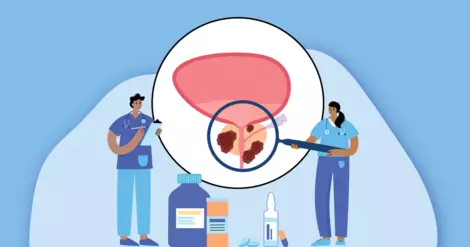
Prostate cancer is one of the most common cancers in the United States. In its early stages, many people do not experience symptoms. If prostate cancer spreads to other parts of the body — most commonly to the bones — this is called metastatic prostate cancer. Some people with metastatic prostate cancer may experience bone pain, often in the hip, back, or other bones.
This article explains how prostate cancer can cause back, hip, and bone pain, as well as what signs to watch out for and how to manage these symptoms effectively.
When prostate cancer becomes advanced, it may spread to other areas in a process called metastasis. Cancer cells can leave the prostate, travel through the blood or the lymph system, and settle in other parts of the body. These cells most often reach the bones (called bone metastasis), including the:
Bones are constantly being rebuilt by two types of bone cells — osteoblasts (which build bone) and osteoclasts (which break down bone). When cancer cells reach the bones, they upset this balance. Osteoblasts may create too much new bone, leading to abnormal bone growth, while osteoclasts may break down bone faster than normal, causing bones to be weak and fragile. When prostate cancer cells form bone metastases, they’re usually called “osteogenic” or “osteoblastic,” meaning the cancer causes osteoblasts to make extra bone cells.
Bone metastasis can cause pain in several ways, such as:
Bone pain feels different for everyone. It may worsen during movement or if the affected area is touched. The severity and frequency of pain may depend on where the cancer is located.
Following are some common signs that prostate cancer may have spread to the bones.
Pain in the lower back, pelvis, or hips that doesn’t go away and may even wake you up at night could be a sign that prostate cancer is in the bones. You may feel a deep ache or a sharp pain that gets worse when you move. The pain may be mild at first and worsen over time.
Bones weakened by metastasis can break even after a minor injury, causing sudden sharp pain and loss of function.
When prostate cancer reaches the bones’ outer layer, it can cause neuropathic (nerve) pain. Nerve pain may lead to numbness or tingling in the legs, feet, buttocks, or lower back and make it hard to move.
Abnormal bone growths in the spine can pinch nerves in the spinal cord, causing weakness in the arms, chest, or legs and affecting bladder control.
Bone metastasis can cause tiredness and fatigue. Hypercalcemia (high blood calcium levels) can lead to nausea, confusion, constipation, and changes in appetite.
Not all back or hip pain results from cancer. Other causes include arthritis, muscle strains, and disc problems. However, if you have been diagnosed with or at higher risk of prostate cancer, it’s important to pay attention to back, hip, or bone pain that:
If you notice any of these symptoms, tell your doctor. Get emergency care right away if you fall and have severe pain, see exposed bone, or have a fever.
If you have pain, your doctor will start by asking questions to help find the source. You may need to describe when and where you feel pain, what it feels like, and if it wakes you up at night. It may help to keep a journal or diary about your pain and review it with your doctor.
Your healthcare provider may order urine and blood tests to check for signs of bone damage. They may also examine your bones using imaging tests such as:
Managing bone metastasis involves treating both the cancer and the pain. Many options are available, so be sure to work with your healthcare team to find what’s best for you.
Some prostate cancer treatments may also help relieve bone pain, including the following options:
Drugs like bisphosphonates (zoledronic acid) and denosumab work by slowing the breakdown of bones, which helps relieve pain, prevent fractures, and strengthen bones — especially during hormone therapy. You may also need to take calcium and vitamin D supplements to avoid low calcium levels during treatment.
Radiation therapy (also called radiotherapy) targets specific bone tumors to reduce pain. This option may be especially helpful for pain in the spine caused by tumors, but it can be used for pain anywhere in the body.
Radiopharmaceuticals contain radioactive elements that are injected into a vein and travel to the bones affected by cancer. There, they release radiation to destroy cancer cells and help with pain in many bones at once.
Surgery is less common but may be needed to support weak or broken bones. A doctor may insert metal plates or pins to stabilize affected bones and decrease the risk of breaks. If the cancer is near the spine, kyphoplasty may be performed. This procedure involves putting a mixture similar to cement into the bone to strengthen it.
Pain medications can help with mild to moderate pain, especially when taken regularly as prescribed. Your doctor may suggest over-the-counter pain relievers, like acetaminophen or nonsteroidal anti-inflammatory drugs (NSAIDs). Always check with your healthcare team before using these medications — some may interfere with cancer treatments or cause side effects.
For more severe pain, your doctor may prescribe opioids or steroids. Antidepressants or anti-seizure drugs are sometimes used to reduce nerve pain.
Physical therapy can help strengthen surrounding muscles and improve movement. A physical therapist can show you exercises and stretches to increase stability and provide pain relief. They may also recommend assistive devices like a walker or brace. Always follow your therapist’s instructions and limits.
Healthy habits may help improve bone pain. Before making any changes, ask your doctor or healthcare team if you should make any lifestyle changes. They may suggest that you:
Prostate cancer can cause back, hip, and bone pain, but advances in treatment make it possible to manage symptoms and protect your quality of life. Work closely with your healthcare team, report new symptoms promptly, and ask questions about all your treatment options.
Pain doesn’t have to take over your daily life. With a mix of treatments, pain management strategies, and lifestyle changes, many people are able to find relief. Remember, everyone’s experience is different, so what helps one person may not work for another.
On MyProstateCancerTeam, people share their experiences with prostate cancer, get advice, and find support from others who understand.
What strategies have helped you manage back, hip, and bone pain caused by prostate cancer? Let others know in the comments below.
Get updates directly to your inbox.


 Continue with Facebook
Continue with Email
Continue with Facebook
Continue with Email
Continue with Facebook
Continue with Email
Continue with Facebook
Continue with Email
Become a member to get even more





 Join
Join

 Your Privacy Choices

This is a member-feature!
Sign up for free to view article comments.
What if the bone pain is arthritis, pet scan can determine that correct?
We'd love to hear from you! Please share your name and email to post and read comments.
You'll also get the latest articles directly to your inbox.