
Powered By



 Continue with Facebook
Continue with Email
Continue with Facebook
Continue with Email
Many people live with prostate cancer without knowing it, as it often doesn’t cause noticeable symptoms until it becomes more advanced. Prostate cancer usually doesn’t cause symptoms until cancer cells have metastasized (spread) to other parts of the body. This means you may not notice anything unusual or feel sick enough to visit a doctor in the early stages.
If you or someone you care about is living with advanced prostate cancer, it can be helpful to know the most common symptoms. The symptoms you experience will depend on where and how the cancer spreads in your body. You may not have all of the possible symptoms.
In addition to symptoms — things you may notice, feel, or see — you might also develop signs of advanced prostate cancer. Signs are changes that a doctor can find through exams, blood tests, or scans, even if you haven’t noticed any problems yourself. For example, a doctor might find changes in your blood counts or in how your organs are working.
Some of the symptoms you may experience with metastatic prostate cancer are caused by the cancer itself, while others can be caused or made worse by side effects from cancer treatment. For example, treatments like medications or surgery can sometimes lead to new health problems, called complications or related conditions, that also have their own symptoms.
Be sure to tell your oncology team about any symptoms or changes you notice. They can help you figure out what’s causing them and suggest treatment options to help you feel better. Your team might also refer you to a palliative care doctor, a specialist who can support you in managing pain, fatigue, stress, and other symptoms that may come with advanced prostate cancer.
Below are some common signs and symptoms associated with advanced prostate cancer. You may not experience all of these, but knowing what might happen can help you recognize changes and talk with your cancer care team as soon as possible.
When prostate cancer spreads, it most often goes to the bones. This can include the hip bones, skull, ribs, or spine (the spine is a common site because cancer cells can travel there through shared blood pathways).
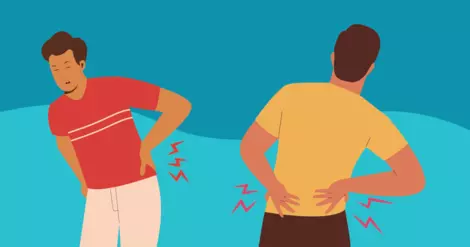
When prostate cancer spreads to the bones, it often leads to bone pain. Bone pain may feel sharp and stabbing or dull and achy. Cancer in the bones can also make them weaker, which raises the risk of fractures (broken bones).
To help with bone pain, your healthcare provider may recommend:
When prostate cancer spreads, it may cause erectile dysfunction (ED), which is difficulty getting or keeping an erection. You may notice that you can’t get an erection when you usually could, or that you get one, but it doesn’t last long enough for sexual activity.
ED can happen if the cancer grows large enough to affect the nerves or blood vessels that are important for erections.
ED is also common as a side effect of treatment. Some treatments, like hormone therapy, lower testosterone levels, which can make erections more difficult. Prostate cancer surgery may damage the nerves or blood vessels that help you get and maintain an erection. Your chances of experiencing ED depend on the treatment plan you’re using.
Giving your body time to heal after treatment may help. You can also ask your doctor about penile rehabilitation, a set of treatments and exercises designed to help improve erections after prostate cancer treatment.
As prostate cancer tumors grow, they may interfere with your bladder and urinary tract. Tumors can press on areas where urine needs to flow, making it hard to urinate or causing blockages. Having urinary symptoms is common, but each person’s experience is different depending on how and where the cancer is affecting the body.
You may:
In severe cases, you might feel an urgent need to pee and that your bladder is very full, but be unable to urinate because of a blockage. This is a medical emergency and usually requires a doctor to insert a catheter (a thin tube) to drain your bladder.
To manage these symptoms, your healthcare team can recommend ways to shrink the tumors. They may also suggest:
Together, you and your doctor can figure out which steps or which combination of steps will work best for you.
The sudden appearance of blood in your urine, your semen, or both is another common sign of metastatic prostate cancer. Larger tumors can disrupt blood flow or damage tiny blood vessels in the reproductive system, causing blood to leak into other fluids.
Any treatment that shrinks tumors will likely help treat this symptom.
Some people with advanced prostate cancer lose weight without trying. This is true for many kinds of cancer. Researchers suggest that it may happen because inflammation reduces hunger or because cancer cells demand a lot of energy.
Some people feel nauseous either from cancer or cancer treatment, and this can make it hard to eat normally and maintain weight. The cancer cells also produce substances that promote the breakdown of muscle and fat.
If you notice unexpected weight loss or a decrease in your appetite, tell your cancer care team. They can help by:
Some people living with advanced prostate cancer lose control of their bladder, bowels, or both. This means you may suddenly urinate or have a bowel movement without intending to.
This may happen if tumors have spread to your spine and press on the spinal cord, interfering with the nerves that control the bladder and bowels.
Treatment may include:
Talk with your cancer care team about any changes in bladder or bowel control. Early support can help you stay comfortable and prevent complications.
Advanced prostate cancer can cause fatigue, a feeling of extreme tiredness that is much more severe than everyday sleepiness. Fatigue may make it difficult to do activities you usually enjoy, and it often does not get better with extra rest or sleep.
Many factors can contribute to fatigue, including the cancer itself, side effects of treatment, emotional stress, poor sleep, and changes in appetite or nutrition.
Ways to help reduce fatigue include:
Prostate cancer can cause your legs and feet to feel or look different. They may swell, feel weak, or even go numb. When tumors put pressure on different nerves, blood vessels, or other structures, these symptoms may develop.
If there’s pressure on your lymph nodes or blood vessels, you might experience swelling. If the tumor is pressing on the nerves in your spine, you may have tingling, weakness or numbness.
A prostate cancer treatment plan that shrinks these tumors may help your legs and feet go back to normal.
Advanced prostate cancer may lead to anemia, a condition in which your body has too few red blood cells or hemoglobin to carry oxygen. This may be tied to internal bleeding due to tumor size, the effects of cancer treatments, or changes in your bone marrow due to tumors there.
More research is needed to find out how to treat anemia in people with advanced prostate cancer.
If your blood tests show anemia, your cancer care team may suggest you supplement with iron. In severe cases, you may need a blood transfusion.
Sometimes, advanced prostate cancer can cause cardiovascular changes. You might feel like your heart is pounding or find that you’re short of breath. These may be connected to anemia or to certain hormone therapy treatments, also called androgen deprivation therapy.
Your doctor can help you figure out what’s causing your symptoms and find ways to manage them. It’s important to look out for signs and symptoms related to your heart because heart conditions are common in people living with prostate cancer.
On MyProstateCancerTeam, people share their experiences with prostate cancer, get advice, and find support from others who understand.
What were your first symptoms of advanced prostate cancer? Let others know in the comments below.
Get updates directly to your inbox.



 Continue with Facebook
Continue with Email
Continue with Facebook
Continue with Email
Continue with Facebook
Continue with Email
Continue with Facebook
Continue with Email
Become a member to get even more





 Join
Join

 Your Privacy Choices

This is a member-feature!
Sign up for free to view article comments.
What could make my PSA level to go up above 50? Not a misprint. 50 for real
We'd love to hear from you! Please share your name and email to post and read comments.
You'll also get the latest articles directly to your inbox.