... Speak to your doctor about what to expect after a stage 3 diagnosis. ...
... Clinical TrialsClinical trials are research studies that help cancer doctors learn about the safety and effectiveness of new prostate cancer treatments. If you join a clinical trial, you may receive a standard treatment or a new treatment. ...
... Grade Groups 2 and 3 mean there is a moderate risk of faster growth. Grade Group 4 means there is a high risk of faster growth. Grade Group 5 means the highest risk.What Happens if the Biopsy Is Negative but the Doctor Still Suspects Cancer?A negative biopsy result doesn’t always completely rule out prostate cancer. ...
When Should You Get a Prostate Biopsy To Check for Cancer? How Is It Done?
... Grade Groups 2 and 3 mean there is a moderate risk of faster growth. Grade Group 4 means there is a high risk of faster growth. Grade Group 5 means the highest risk.What Happens if the Biopsy Is Negative but the Doctor Still Suspects Cancer?A negative biopsy result doesn’t always completely rule out prostate cancer. ...
... The higher the score, the more aggressive the cancer is.Common Gleason scores include: 6 (3 plus 3) — Low-grade, slower-growing cancer 7 (3 plus 4 or 4 plus 3) — Intermediate-grade cancer 8 to 10 — High-grade, faster-growing cancer Imaging Before or After DiagnosisBefore or after a diagnosis of prostate cancer, your doctor may order imaging tests to ...
How Is Prostate Cancer Diagnosed?
... The higher the score, the more aggressive the cancer is.Common Gleason scores include: 6 (3 plus 3) — Low-grade, slower-growing cancer 7 (3 plus 4 or 4 plus 3) — Intermediate-grade cancer 8 to 10 — High-grade, faster-growing cancer Imaging Before or After DiagnosisBefore or after a diagnosis of prostate cancer, your doctor may order imaging tests to ...
... All trials follow strict safety rules set by an institutional review board (IRB). An IRB is an ethics committee that reviews, approves, and monitors clinical trials to protect every participant’s rights and well-being. If they see an issue with a trial, they can pause or stop all research to prevent serious physical or mental harm. ...
Clinical Trials for Prostate Cancer: Is Joining a Study Right for You?
... All trials follow strict safety rules set by an institutional review board (IRB). An IRB is an ethics committee that reviews, approves, and monitors clinical trials to protect every participant’s rights and well-being. If they see an issue with a trial, they can pause or stop all research to prevent serious physical or mental harm. ...
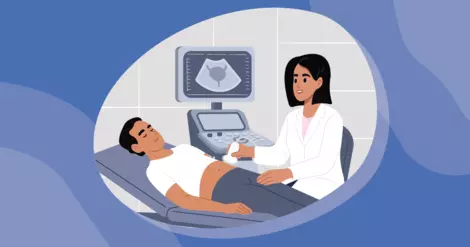
... It provides real-time images on a screen, so doctors can see exactly where the biopsy needle is and guide it to the right spot.What Do Ultrasound Results Tell Doctors?Ultrasound images, called sonograms, help your healthcare team see any areas of the prostate that look suspicious. ...
... For prostate health, it’s recommended to reduce or stop eating these types of foods and replace them with whole foods.3. Added SugarAs part of a healthy prostate diet, you should limit the amount of simple sugars you consume, such as sugary sodas, juices, and foods with added sugars or sweeteners. ...
Prostate Cancer Diet: 6 Foods To Eat and 4 To Avoid
... For prostate health, it’s recommended to reduce or stop eating these types of foods and replace them with whole foods.3. Added SugarAs part of a healthy prostate diet, you should limit the amount of simple sugars you consume, such as sugary sodas, juices, and foods with added sugars or sweeteners. ...
... Step 1 — Navigate to “Account Settings.”Step 2 — Find the username section and tap “Change.”Step 3 — Enter your new username, then tap the “Change Username” button to save your changes. ...
Getting Started on MyProstateCancerTeam
... Step 1 — Navigate to “Account Settings.”Step 2 — Find the username section and tap “Change.”Step 3 — Enter your new username, then tap the “Change Username” button to save your changes. ...
... Symptoms can vary depending on where the cancer is growing.Why Stage 3 MattersStage 3 cancer usually needs active treatment, often with a combination of therapies such as radiation, hormone therapy, and surgery. ...
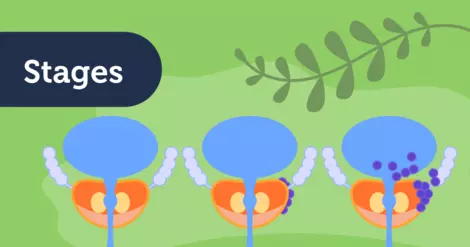
What Are the 4 Stages of Prostate Cancer?
... Symptoms can vary depending on where the cancer is growing.Why Stage 3 MattersStage 3 cancer usually needs active treatment, often with a combination of therapies such as radiation, hormone therapy, and surgery. ...
... Stage 3 — The cancer has a higher PSA level, has the highest Gleason score, or has grown outside the prostate. Stage 4 — The cancer has spread to lymph nodes, bones, or other parts of the body. As with other types of cancer, staging helps guide treatment options and predict prognosis (outlook) for prostate cancer.8. ...
10 Prostate Cancer Facts You Should Know
... Stage 3 — The cancer has a higher PSA level, has the highest Gleason score, or has grown outside the prostate. Stage 4 — The cancer has spread to lymph nodes, bones, or other parts of the body. As with other types of cancer, staging helps guide treatment options and predict prognosis (outlook) for prostate cancer.8. ...







 Join
Join

 Your Privacy Choices