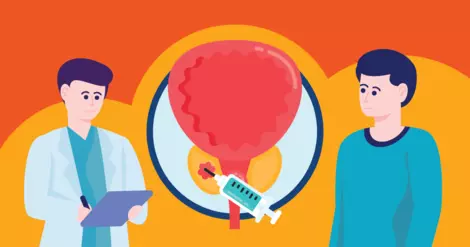
... A thin needle is used to remove small tissue samples. Typically, a biopsy will take 10 to 15 minutes to collect 12 to 20 samples. Collecting more samples can make the test more accurate.A common concern about a prostate biopsy is pain. Before the procedure, a local anesthetic is used to numb the area surrounding the prostate. ...
When Should You Get a Prostate Biopsy To Check for Cancer? How Is It Done?
... A thin needle is used to remove small tissue samples. Typically, a biopsy will take 10 to 15 minutes to collect 12 to 20 samples. Collecting more samples can make the test more accurate.A common concern about a prostate biopsy is pain. Before the procedure, a local anesthetic is used to numb the area surrounding the prostate. ...
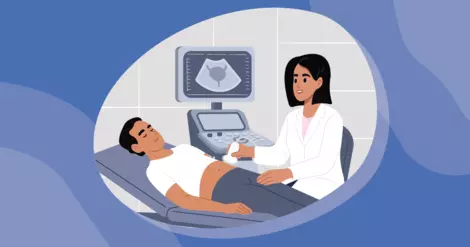
... It provides real-time images on a screen, so doctors can see exactly where the biopsy needle is and guide it to the right spot.What Do Ultrasound Results Tell Doctors?Ultrasound images, called sonograms, help your healthcare team see any areas of the prostate that look suspicious. ...
... Then, a thin needle removes small tissue samples from different areas.This procedure usually takes 10 to 15 minutes. A local anesthetic is used to numb the area and reduce discomfort. ...
How Is Prostate Cancer Diagnosed?
... Then, a thin needle removes small tissue samples from different areas.This procedure usually takes 10 to 15 minutes. A local anesthetic is used to numb the area and reduce discomfort. ...
... Survival and life expectancy can vary widely, even for people with the same stage, because many factors play a role.Talking With Your Doctor About Your StageThe stage of your prostate cancer is a starting point, not the entire story. Two people with the same stage can have very different experiences. No matter your stage, you’re not alone. ...
What Are the 4 Stages of Prostate Cancer?
... Survival and life expectancy can vary widely, even for people with the same stage, because many factors play a role.Talking With Your Doctor About Your StageThe stage of your prostate cancer is a starting point, not the entire story. Two people with the same stage can have very different experiences. No matter your stage, you’re not alone. ...
... Your doctors will monitor your PSA levels regularly to figure out exactly what that point is for your body.Your PSA levels may go up and down a bit, especially if you’re younger. This means that they can seem like they’re going up, then start heading back down again. ...
High PSA Level After Prostate Cancer Treatment: What Does It Mean?
... Your doctors will monitor your PSA levels regularly to figure out exactly what that point is for your body.Your PSA levels may go up and down a bit, especially if you’re younger. This means that they can seem like they’re going up, then start heading back down again. ...
... For those diagnosed at an early stage, long-term survival is now the expectation.Why Survival Has ImprovedHealth experts point to earlier detection through prostate-specific antigen (PSA) testing and ongoing improvements in cancer care as key reasons for improving prostate cancer survival. ...
Prostate Cancer Survival Rates Keep Improving, New Data Shows
... For those diagnosed at an early stage, long-term survival is now the expectation.Why Survival Has ImprovedHealth experts point to earlier detection through prostate-specific antigen (PSA) testing and ongoing improvements in cancer care as key reasons for improving prostate cancer survival. ...
... ED becomes more common with age, but it can develop at any point in adulthood. Prostate cancer itself can sometimes contribute to ED, but most ED is related to treatment. ED happens when something disrupts either the physical or chemical processes that lead to an erection. ...
Erectile Dysfunction and Prostate Cancer: 9 Facts To Know
... ED becomes more common with age, but it can develop at any point in adulthood. Prostate cancer itself can sometimes contribute to ED, but most ED is related to treatment. ED happens when something disrupts either the physical or chemical processes that lead to an erection. ...
... Research shows that 15 percent to 27 percent of men with prostate cancer have symptoms of anxiety or depression at some point during their care. These feelings may be strongest after treatment but can occur at diagnosis or even months later.Depression and anxiety can affect how you think, sleep, eat, and enjoy daily life. ...
7 Complications and Other Health Conditions Related to Prostate Cancer
... Research shows that 15 percent to 27 percent of men with prostate cancer have symptoms of anxiety or depression at some point during their care. These feelings may be strongest after treatment but can occur at diagnosis or even months later.Depression and anxiety can affect how you think, sleep, eat, and enjoy daily life. ...




 Join
Join

 Your Privacy Choices