
Powered By



 Continue with Facebook
Continue with Email
Continue with Facebook
Continue with Email
Being diagnosed with prostate cancer at any stage can feel overwhelming, even when it’s caught early. Stage 1 prostate cancer is considered early-stage prostate cancer, and it’s often found before symptoms appear. (Cancer stages are sometimes noted with Roman numerals, as stages I through IV.) Fortunately, if prostate cancer is found early there are many effective treatment options and a positive overall prognosis (outlook).
About 1 in 8 men in the United States will be diagnosed with prostate cancer in their lifetime, according to the American Cancer Society. Screening tests can help detect prostate cancer in stage 1. This article will explain what stage 1 prostate cancer means, what symptoms (if any) may appear, common treatment approaches, and what you can expect moving forward.
Stage 1 prostate cancer is the earliest form of the disease. In stage 1, unlike the other stages of prostate cancer, the cancer is small and only located in the prostate gland. It hasn’t metastasized (spread to nearby lymph nodes or other parts of the body.
Stage 1 tumors are usually low grade. This means the cancer cells look similar to normal prostate cells under a microscope. At this stage, the cancer usually grows slowly. Many people may live for years without symptoms or major changes in the disease.
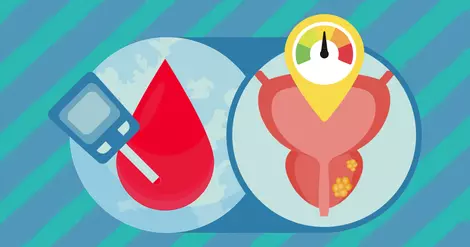
Your care team may use blood tests, biopsies, and imaging tests to determine the stage of prostate cancer. In stage 1, PSA levels are below 10 nanograms per milliliter (ng/mL). The Gleason Grade Group, which measures how aggressive the cancer looks under a microscope, is grade 1.
Overall, stage 1 is early, localized, and low risk. Finding it early allows for more treatment options and often leads to excellent outcomes.
Many people with stage 1 prostate cancer have no noticeable symptoms. That’s why it’s usually found through a screening test, such as a higher-than-normal prostate specific antigen (PSA) level, or by chance through a prostate biopsy done for another reason.
When symptoms do develop, which is uncommon at this stage, they may be similar to those of an enlarged prostate (benign prostatic hyperplasia, or BPH). These may include:
Because these symptoms can also be caused by noncancerous conditions, a doctor’s evaluation is needed to take steps toward a diagnosis. If prostate cancer is suspected based on a screening test, a biopsy may be done to confirm the diagnosis. A biopsy involves taking a small tissue sample for examination under a microscope.
Treatments for stage 1 prostate cancer depend on several factors, including:
Common treatment strategies include watchful waiting, active surveillance, surgery, radiation (radiotherapy), and hormonal therapies.
Watchful waiting and active surveillance are similar but not the same. Both are often recommended for people with low-risk, slow-growing prostate cancer.
Active surveillance involves regular monitoring with PSA tests, digital rectal exams, and occasional biopsies. These tests usually happen every six months to one year depending on the person and their doctor. Treatment begins only if the cancer shows signs of progressing. This approach can help delay, or even avoid side effects from surgery or radiation while still watching the cancer closely.
Watchful waiting, often called observation, usually involves slightly less frequent follow-up. It may focus more on monitoring symptoms, with less frequent testing than in active surveillance. This approach may be better for people with other serious health conditions who may not benefit from intensive treatment due to older age or other health conditions.
Some people with stage 1 prostate cancer may be candidates for surgery. The most common surgery is called a radical prostatectomy. This procedure removes the prostate gland and its surrounding tissue, including the seminal vesicles. Surgery is usually considered for people in overall good health who are expected to live long lives. It may also be recommended if your stage 1 cancer shows higher-risk features.
Like any surgery, a radical prostatectomy comes with risks. Possible side effects include changes to urination and sexual function. Other possible complications include bleeding and infection.
Targeted radiation to kill cancer cells is another way to treat stage 1 prostate cancer. Radiation can be delivered externally (from outside the body, also called external beam radiation therapy) or internally (inside the tumor, also called brachytherapy). This option is often recommended for people who prefer nonsurgical treatment or have health conditions that make surgery riskier.
Possible side effects of radiation include changes in urination and erectile dysfunction.
Hormonal therapy is less commonly used to treat stage 1 prostate cancer. It is more often used in advanced stages of prostate cancer or if the cancer returns after surgery or radiotherapy. Hormone therapy works by lowering testosterone levels, which can slow the growth of prostate cancer cells. Side effects of hormone therapy include hot flashes, decreased desire for sex, and bone weakening.
In some cases, treatment approaches may be combined, such as surgery followed by radiation. Your oncologist (cancer specialist) will tailor a treatment plan based on your specific situation.
The prognosis for stage 1 prostate cancer is excellent. Survival rates are very high at this stage. Nearly all people diagnosed at this clinical stage live at least 10 years after diagnosis. Many people have a long or near-normal life expectancy.
Outcomes can vary based on several factors, such as age, overall health, Gleason score, PSA levels, and the type of treatment used.
Even after successful treatment, prostate cancer can return. However, stage 1 cancers are less likely to come back than more advanced prostate cancers. Regular follow-up PSA tests help detect recurrence early.
Healthy lifestyle habits, such as maintaining a healthy weight, staying physically active, and managing other health conditions, can support long-term health and quality of life.
Being diagnosed with prostate cancer, even when it’s at an early stage and localized to the prostate, can cause stress and uncertainty. Support may help, including:
Regular check-ins with your oncology team are important, whether you are in active surveillance or receiving treatment. These visits help detect changes early and adjust care if needed.
Early detection can give people with prostate cancer the best chance for a positive outcome. Discuss all treatment options with your healthcare team to make decisions that fit your health, values, and lifestyle.
On MyProstateCancerTeam, people share their experiences with prostate cancer, get advice, and find support from others who understand.
Do you have stage 1 prostate cancer? Let others know in the comments below.
Get updates directly to your inbox.



 Continue with Facebook
Continue with Email
Continue with Facebook
Continue with Email
Continue with Facebook
Continue with Email
Continue with Facebook
Continue with Email
Become a member to get even more





 Join
Join

 Your Privacy Choices

This is a member-feature!
Sign up for free to view article comments.
Hello everyone just goin this group. Hope all is well. My name is Larry I'm from George. I'm 73 still working. 03/16/2026 I was diagnosed with a Gleason 6 grade 1 prostate cancer. It only been a few… read more
We'd love to hear from you! Please share your name and email to post and read comments.
You'll also get the latest articles directly to your inbox.